@ BRIC-inStem
Epithelial Barrier Lab @ BRIC-inStem
Making and Maintaining Barriers
The Epithelial Barrier Lab at BRIC-inStem, Bengaluru headed by Dr. Diya Binoy Joseph, investigates how tissues lining our body develop and maintain over time using pools of tissue resident stem cells and gain competence to protect us against dangerous microbes.

Research
Epithelial linings in the body are regenerative tissues that contain stem cells and are closely associated with resident immune cells for normal functioning and defence against pathogens. The central goal of the lab is to understand programming and patterning of epithelial barriers and how disruption of these processes leads to tissue dysfunction.
We seek to understand how epithelial linings and immune cell organization are concurrently shaped during the organism’s lifetime, integrating influences from commensal microbiota, mechanical stress and hormones. Our recent work shows how the epithelial lining of the urethra positions immune cells at vulnerable sites in the body to maximize host defence.
Approaches


About Us
The Epithelial Barrier Lab at BRIC-inStem is headed by Dr. Diya Binoy Joseph. The laboratory was established in January, 2022. We study how epithelial barriers are established during fetal development to generate regionally specialized antimicrobial and immunomodulatory programs, and how these programs are maintained in adult tissues under homeostatic conditions.
The Institute for Stem Cell Science and Regenerative Medicine (inStem), established in 2009, is a research Institute under the Biotechnology Research and Innnovation Council (BRIC) of the Department of Biotechnology, Government of India.
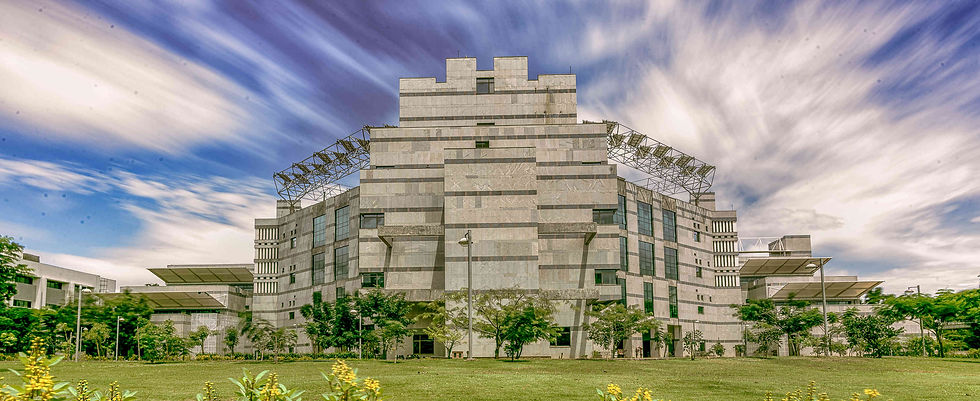
Our lab is located in the state-of-the-art inStem laboratory building located in North Bengaluru. We are a part of the the thriving Bangalore Life Sciences Cluster (BLiSC) nestled in the verdant settings of the GKVK campus of the University of Agricultural Sciences.
Latest Publications
Generation of mouse urethral organoids for investigating barrier maintenance
We published detailed methods to study the epithelial lining of the female mouse urethra and for the generation of primary urethral epithelial organoids. Urethral organoids can serve as useful models to study epithelial stratification and urinary tract infections, a condition which affects females disproportionately.

News
Latest Publications


